
Центральный дебют
Белые жертвуют темп, забирая пешку ферзём, ради раннего вскрытия позиции и быстрого развития фигур.
Попробовать интерактивный урокВведение
Содержание урока
Дебют королевской пешки — белые захватывают центр и открывают диагонали для ферзя и королевского слона. Самый популярный первый ход в шахматах. Основные ответы чёрных: - 1. ..e5 — Открытая игра, зеркально отвечая в центре - 1. ..c5 — Сицилианская защита, асимметричная борьба за d4 - 1. ..e6 — Французская защита, подготовка ..d5 - 1. ..c6 — Каро-Канн, также подготовка ..d5
Чёрные зеркально отвечают на центральную заявку белых, устанавливая симметричный пешечный центр. Это ведёт к Открытым дебютам — старейшему и наиболее классическому семейству начал. Пешка e5 контролирует d4 и f4, ограничивая возможности белых для расширения.
Центральный дебют начинается! Белые немедленно бросают вызов пешке e5, нанося удар в центр ходом d4. Это прямолинейнее, чем 2. Nf3 — белые хотят вскрыть позицию сразу. После 2. ..exd4 белые заберут пешку ферзём, а не конём — это определяющая черта Центрального дебюта.
Альтернативные ходы
Чёрные берут пешку d4 — самый естественный и сильный ответ. Отклонение ходом 2. ..d6 даёт белым комфортное пространственное преимущество после 3. Nc3. Теперь перед белыми критический выбор: забрать ферзём (Центральный дебют) или конём (Шотландская партия).
Альтернативные ходы
Определяющий ход Центрального дебюта — белые забирают пешку ферзём, активно размещая его в центре. Отсюда ферзь контролирует поля d4, d5, a4, h4 и e5. Недостаток очевиден: ранний вывод ферзя нарушает классический принцип, и чёрные выиграют темп, атакуя его ходом ..Nc6. Но белые рассчитывают компенсировать это быстрым развитием фигур.
Альтернативные ходы
Чёрные развиваются с темпом, атакуя ферзя и вынуждая его вновь отступить. Именно поэтому Центральный дебют считается слегка сомнительным на высшем уровне — белые теряют время. Конь на c6 развивается естественно, защищает e5 (при необходимости) и контролирует d4.
Атака Паульсена — ферзь отступает на e3, где сохраняет активность и гибкость. С поля e3 ферзь поддерживает и пешку e4, и будущую атаку на королевском фланге, оставляя линию d открытой для ладьи. Альтернативы белых: - 4. Qa4 — связка по диагонали a4-e8, чуть предпочтительнее по мнению движка - 4. Qd1 — слишком пассивно, теряется весь замысел - 4. Qc4 — тоже возможно, но менее гармонично
Альтернативные ходы
Чёрные продолжают быстрое развитие, атакуя пешку e4 и готовясь рокировать на королевский фланг. Конь на f6 — лучшая фигура чёрных: он контролирует d5, e4 и g4. Эта позиция — вариант Бергера Центрального дебюта, известная табия.
Белые защищают пешку e4, одновременно развивая коня на лучшее поле. Nc3 также контролирует d5 и позволяет быстро завершить развитие. С двумя развитыми конями белые готовы вывести слонов и рокировать — главное наверстать развитие после раннего хода ферзём.
Альтернативные ходы
Чёрные связывают коня c3 с королём на e1 — абсолютная связка по диагонали b4-c3-e1. Конь вообще не может двинуться, а значит, e4 защищён только ферзём. Это типичный мотив в стиле Нимцовича: слон оказывает давление с b4, и белые должны разрешить связку, прежде чем завершить развитие.
Белые снимают связку естественным развивающим ходом. Слон на d2 защищает c3 и связывает ферзевый фланг, готовя O-O-O. Наиболее практичный выбор. Позиция движется к разносторонним рокировкам — визитная карточка Центрального дебюта — где обе стороны атакуют вражеского короля.
Альтернативные ходы
Чёрные рокируют в безопасность — естественный и сильный ход. Король в безопасности на g8, а ладья вскоре станет активной на линии e, нацеливаясь на пешку e4. На данный момент чёрные развиты лучше, но белые вот-вот наверстают благодаря рокировке на ферзевый фланг.
Длинная рокировка! Это ключевая идея Центрального дебюта — разносторонние рокировки создают динамичную, атакующую игру. Короли на разных флангах, поэтому пешечные штурмы не ослабляют собственного короля. Ладья сразу попадает на d1, нацеливаясь на открытую линию d. Белые теперь готовы агрессивно развить оставшиеся фигуры.
Альтернативные ходы
Чёрные ставят ладью на полуоткрытую линию e, создавая прямое давление на e4. Ладья также «просвечивает» ферзя на e3, что может стать неприятным. Это ключевая оборонительная и контратакующая идея — чёрные используют открытую линию до того, как белые полностью организуют атаку.
Слон выходит на самую активную диагональ, нацеливаясь на f7 — классическое слабое место в позиции чёрных. В сочетании с ферзём на e3 и ладьёй на d1 белые выстраивают опасную атакующую формацию. Фигуры белых стремительно координируются. Слон на c4 также поддерживает возможный выпад Ng5.
Альтернативные ходы
Чёрные укрепляют позицию ходом ..d6, открывая диагональ для слона c8 и усиливая центр. Пешка d6 также предотвращает трюки с Nc3-d5. Чёрные хорошо развиты и стоят крепко, но должны быть начеку из-за атакующего потенциала белых на королевском фланге.
Последняя лёгкая фигура вступает в игру — развитие белых полностью завершено. Конь на f3 контролирует e5 и g5 — оба важных атакующих поля. Позиция белых гармонична: фигуры нацелены на королевский фланг, ладья контролирует линию d, а ферзь поддерживает всё с e3.
Чёрные развивают последнюю лёгкую фигуру, бросая вызов сильному слону c4. Размен слонов облегчил бы защиту чёрных, убрав одну из атакующих фигур белых. Слон на e6 также нацелен на пешку a2 и помогает контролировать поле d5 — разумное практическое решение.
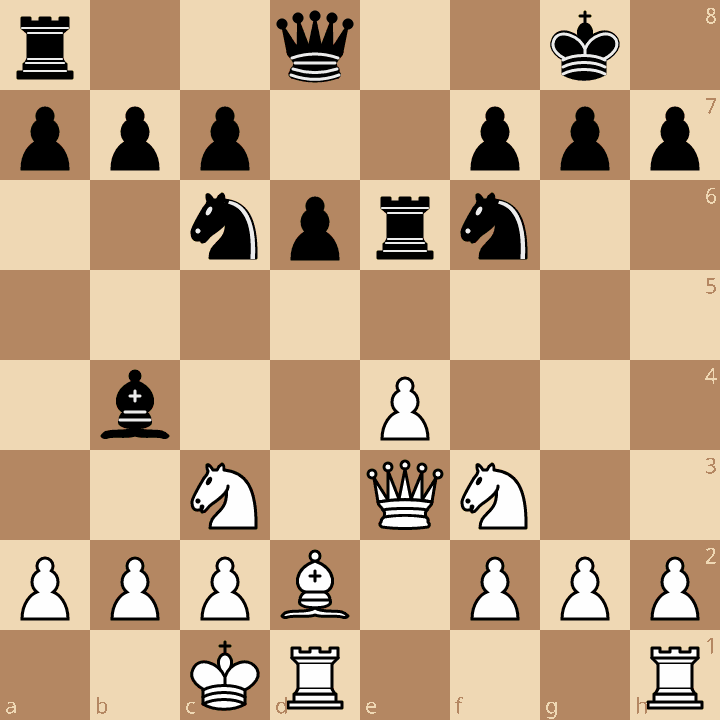
Белые меняются слонами. Обычно атакующие фигуры хочется сохранить, но этот размен открывает линию f и вынуждает чёрных ослабить пешечную структуру или использовать ладью для взятия. После 10. ..Rxe6 ладья чёрных расположена активно, но больше не давит по линии e. Позиция примерно равна — типичный миттельшпиль Центрального дебюта.
Альтернативные ходы
Чёрные берут ладьёй, сохраняя целостность пешечной структуры. Ладья активно расположена на e6 — защищает королевский фланг по горизонтали и остаётся на открытой линии. Позиция динамически уравновешена. У белых активная расстановка с разносторонними рокировками, у чёрных — крепкое развитие и гибкая пешечная структура. Борьба в миттельшпиле начинается!
Альтернативные ходы
Ключевые выводы
- Центральный дебют немедленно вскрывает позицию ходом 2.d4 — прямолинейнее, чем 2.Nf3
- 3.Qxd4 теряет темп из-за ...Nc6, но белые компенсируют это быстрым развитием фигур
- 4.Qe3 (атака Паульсена) сохраняет ферзя активным и поддерживает пешку e4
- Разносторонние рокировки (O-O-O) — ключевая стратегическая идея: обе стороны атакуют вражеского короля
- План белых: быстро развиться, рокировать на ферзевый фланг и атаковать королевский фланг фигурами
Теперь сыграй её сам
Пройди каждый ход на настоящей доске, попробуй неверные — и спроси Knighty, почему они не работают.
Итоги
Готовы попрактиковаться?
Заберите урок с собой
Нужен бесплатный аккаунтСо всеми вариантами — открывается в Lichess и ChessBase