
Italian Game - Two Knights Defense
Black's most aggressive answer to the Italian Game, counterattacking e4 instead of developing the bishop.
Try Interactive LessonIntroduction
Lesson Content
The King's Pawn opening — White claims the center and opens diagonals for the queen and kingside bishop. The most popular first move in chess. Black's main responses: - 1. ..e5 — Open Game, matching White's center - 1. ..c5 — Sicilian Defense, fighting for d4 asymmetrically - 1. ..e6 — French Defense, preparing ..d5 - 1. ..c6 — Caro-Kann, also preparing ..d5
Match White in the center with your own king pawn.
Black mirrors White's central claim, establishing a symmetrical pawn center. This leads to the Open Games — the oldest and most classical family of openings. The e5 pawn controls d4 and f4, limiting White's expansion options.
White develops the knight to its most natural square, attacking the e5 pawn immediately. The knight also controls d4 and prepares kingside castling. This is the most common second move, leading to a vast tree of openings including the Italian, Ruy Lopez, and Scotch.
Defend your e5 pawn while developing a piece.
♘︎c6 — Black defends the e5 pawn with the most natural developing move. The knight on c6 also controls the important d4 and e5 squares. From here White's third move defines the opening: - 3. ♗︎c4 — Italian Game - 3. ♗︎b5 — Ruy Lopez - 3. d4 — Scotch Game - 3. ♘︎c3 — Three Knights Game (Four Knights after 3. ..♘︎f6)
The bishop develops to c4, aiming at Black's vulnerable f7 square — the weakest point in the starting position since only the king defends it. This is the defining move of the Italian Game. White's alternatives here lead to entirely different openings: - 3. ♗︎b5 — the Ruy Lopez, pressuring the ♘︎c6 defender - 3. d4 — the Scotch Game, immediately challenging the center - 3. ♘︎c3 — the Three/Four Knights, delaying the decision
Counter-attack the e4 pawn with your knight.
♘︎f6 — The Two Knights Defense — Black develops aggressively, counterattacking White's e4 pawn rather than passively defending. This is more combative than 3. ..♗︎c5. Black invites the sharp Knight Attack (4. ♘︎g5) or the calmer 4. d3.
Alternative Moves
The modern main line. White supports e4 solidly and keeps a flexible pawn structure. This is by far the most popular choice at the elite level. The aggressive alternative 4. ♘︎g5 attacks f7 directly, leading to the Fried Liver Attack after 4. ..d5 5. exd5 ♘︎xd5 6. ♘︎xf7 — sharp and dangerous but well-studied for Black.
Alternative Moves
Develop your bishop to its most active diagonal.
♗︎c5 — Black develops the bishop to its most active square, mirroring the Italian structure. The bishop on c5 eyes the f2 square and supports a future ..d5 break. This is the most popular response with nearly 8,000 master games.
Alternative Moves
White prepares d4, the ideal pawn center. The c3 pawn also takes away the b4 square from Black's bishop, limiting its options.
Alternative Moves
Support your center and prepare to castle.
d6 — Black reinforces the e5 pawn and opens the diagonal for the light-squared bishop. This solid setup prepares kingside castling while keeping the pawn structure flexible.
Alternative Moves
White castles kingside, securing the king. Both sides now focus on completing development and preparing middlegame plans.
Castle to safety — your king needs protection.
O-O — Black mirrors White's castling. The king is safe and the rook is ready to defend the f-file or support central action. A natural and strong move.
Alternative Moves
White places the rook on e1, reinforcing the e4 pawn and preparing for central action. If the center opens, the rook will be perfectly placed.
Alternative Moves
Secure the queenside and prepare to tuck your bishop away safely.
a6 — A key positional move. Black prevents any ♗︎b5 ideas, prepares ..♗︎a7 to keep the bishop safe from attacks, and opens the option for ..b5 queenside expansion later.
Alternative Moves
White repositions the bishop to b3, keeping pressure on the a2-g8 diagonal while avoiding ..♘︎a5 harassing the bishop on c4. The bishop maintains its aim at f7.
Retreat your bishop to a safe diagonal where it stays active.
♗︎a7 — Black tucks the bishop into a safe, stable position on a7. From here it stays out of danger while maintaining pressure on the f2 square. This is the most popular retreat, played by Carlsen and Karjakin at the top level.
Alternative Moves
White plays this important prophylactic move, preventing ..♗︎g4 which would pin the ♘︎f3 and create annoying pressure. This is the most popular continuation, making the Giuoco Pianissimo main line.
Develop your last minor piece and prepare the ...d5 break.
♗︎e6 — Black develops the last minor piece, completing development. The bishop on e6 supports a future ..d5 central break and offers to trade White's dangerous Italian bishop on b3. This position is rich and balanced.
Alternative Moves
White retreats the bishop to c2, avoiding the trade on b3. From c2, the bishop supports the e4 pawn and eyes the b1-h7 diagonal, potentially aiming at Black's king. The position is balanced with rich middlegame play ahead.
Key Takeaways
- 3...♘︎f6 counterattacks e4 — more aggressive than 3...♗︎c5
- Against 4.d3, develop naturally: ...♗︎c5, ...d6, ...O-O
- ...a6 and ...♗︎a7 secure the bishop on a safe, active diagonal
- ...♗︎e6 completes development and prepares the ...d5 break
- The resulting positions are balanced — both sides maneuver for advantage
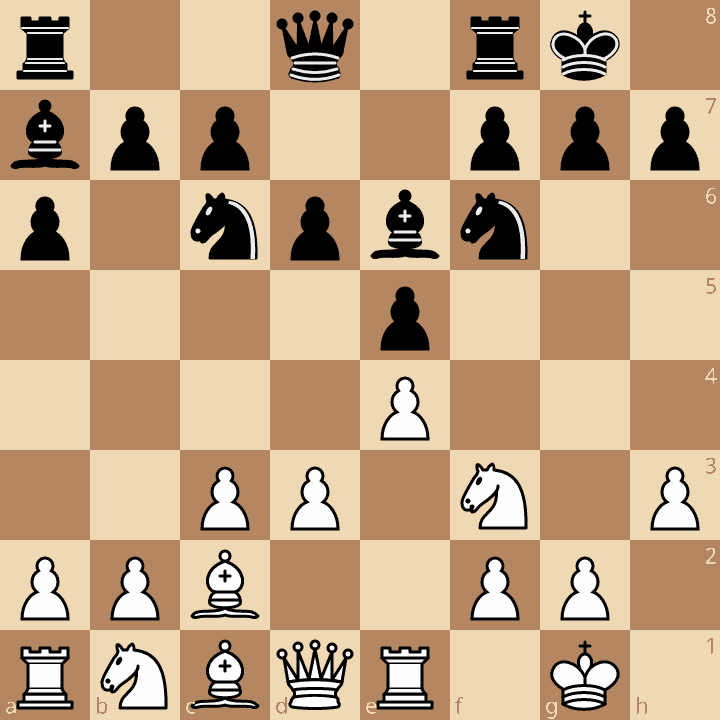
Now play it through
Step through every move on a real board, try the wrong ones, and ask Knighty why they fail.
Related Lessons
Summary
Ready to Practice?
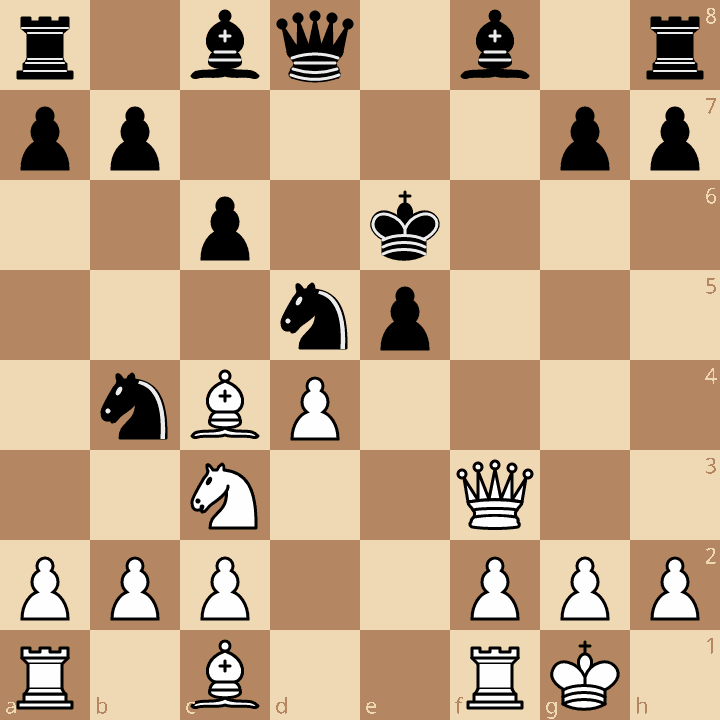
Next in this opening family
Fried Liver Attack
Take this lesson with you
Free account requiredWith every variation — opens in Lichess & ChessBase