
Защита Чигорина
Динамичная защита в ферзевом гамбите, где чёрные развивают коня на c6 вместо пешечной поддержки d5, отдавая приоритет активности фигур над пешечной структурой.
Попробовать интерактивный урокВведение
Содержание урока
Дебют ферзевой пешки — белые занимают центр и открывают диагональ для чернопольного слона. Пешка d4 сразу защищена ферзём, что затрудняет чёрным её оспаривание по сравнению с e4. Основные ответы чёрных: - 1. ..d5 — ферзевый гамбит и славянские построения - 1. ..Nf6 — индийские защиты (Королевская Индийская, Нимцовича и др.) - 1. ..f5 — голландская защита
Чёрные отвечают симметрично в центре, переходя к дебюту ферзевой пешки. Симметричный центр обычно ведёт к стратегическому маневрированию, а не к немедленным тактическим столкновениям. Самое популярное продолжение белых — 2. c4, ферзевый гамбит.
Ферзевый гамбит — белые предлагают пешку, чтобы увести пешку d5 чёрных из центра. Это не настоящий гамбит, поскольку чёрные не могут удержать пешку надолго. Основные варианты чёрных: - 2. ..e6 — отказанный ферзевый гамбит, надёжный и классический - 2. ..c6 — славянская защита, поддержка d5 при свободном слоне - 2. ..dxc4 — принятый ферзевый гамбит - 2. ..Nc6 — защита Чигорина, наш ход!
Защита Чигорина! Вместо пешечного хода чёрные развивают коня на c6 — неожиданный и динамичный выбор. Конь атакует d4 и поддерживает будущий центральный прорыв ..e5. Классическая теория считает этот ход сомнительным, поскольку конь блокирует c-пешку. Но Чигорин доказал, что активная фигурная игра может компенсировать структурные уступки. Конь сразу оказывает давление на центр белых.
Альтернативные ходы
Белые развиваются естественно, защищая d4 и готовя развитие на королевском фланге. Это самый распространённый ответ на защиту Чигорина. Альтернативы белых: - 3. Nc3 — тоже популярно, ведёт к другим вариантам - 3. cxd5 — ранний размен, упрощающий позицию - 3. e3 — надёжно, но пассивно
Альтернативные ходы
Фирменный ход защиты Чигорина — чёрные связывают Nf3 с ферзём! Это самое агрессивное и тематическое продолжение. Чёрные намерены разменять слона на коня, разрушив пешечную структуру белых. Связка на f3 также затрудняет белым удержание пешечного дуэта d4-c4, поскольку конь — ключевой защитник d4.
Альтернативные ходы
Белые берут на d5, вынуждая чёрных принять решение. Это самый принципиальный ответ — разменивая пешки, белые стремятся доказать, что расстановка чёрных имеет слабости после неизбежного размена слона на коня. Альтернативы белых: - 4. Qa4 — вариант Алёхина, ранний вывод ферзя - 4. e3 — надёжно, но позволяет чёрным сохранить связку
Чёрные забирают коня, давая белым сдвоенные f-пешки. В этом и заключается суть защиты Чигорина — чёрные разменивают слона на коня для перманентного повреждения пешечной структуры белых. Сдвоенные f-пешки — долгосрочная слабость. Чёрные отдают пару слонов, но разрушенная королевская структура белых и неуклюжие f-пешки обеспечивают достаточную компенсацию.
Альтернативные ходы
Белые берут обратно g-пешкой — вынужденно, поскольку exf3 навсегда заблокировал бы слона f1. Теперь у белых сдвоенные f-пешки (f2 и f3) и открытая линия «g», которая может стать оружием в миттельшпиле. Позиция несимметрична: у белых пара слонов и центральные пешки, а у чёрных более здоровая пешечная структура.
Чёрные забирают обратно на d5 ферзём, восстанавливая материальное равновесие. Ферзь расположен централизованно и активно, контролируя ключевые поля. План чёрных — сыграть ..e5 для вызова пешке d4 белых. С d5 ферзь также простреливает диагонали a2 и h1, держа белых в напряжении.
Белые укрепляют пешку d4 и готовят развитие чернопольного слона. Пешка e3 также открывает диагональ для слона f1 на d3 или e2. Белые играют скромно — сдвоенные f-пешки уже скомпрометировали королевский фланг, поэтому белые сосредоточены на надёжном развитии.
Тематический центральный прорыв! Чёрные бросают вызов пешке d4 белых напрямую, создавая открытые линии и активную игру. Это плоды расстановки коня на c6 — он идеально поддерживает ..e5. Продвижение e5 также открывает диагональ для чернопольного слона чёрных и создаёт напряжение, которое белые обязаны разрешить.
Альтернативные ходы
Белые развивают коня на c3, нападая на централизованного ферзя чёрных. Конь также поддерживает возможное продвижение d5 и защищает e4. Белые рассчитывают на пару слонов и центральное пространство для компенсации повреждённой пешечной структуры.
Чёрные развивают слона с темпом, связывая Nc3 с королём. Это создаёт немедленное давление и угрожает снова сдвоить пешки белых ходом ..Bxc3. Слон на b4 очень активен — он связывает коня, простреливает диагональ a5-e1 и мешает белым комфортно рокировать.
Альтернативные ходы
Белые разрывают связку, развивая слона на d2. Это самый естественный ответ — он готовит взятие на c3 слоном, если чёрные разменяются. Белые избегают неуклюжего a3 (ослабляющего ферзевый фланг) и сохраняют координацию фигур.
Чёрные разменивают слона на коня, создавая изолированную c-пешку у белых после вынужденного bxc3! В сочетании с уже сдвоенными f-пешками пешечная структура белых серьёзно подорвана. Кони чёрных будут превосходить слонов белых в этой повреждённой структуре. Размен следует философии Чигорина: пожертвовать пару слонов ради разрушения пешечной структуры белых.
Альтернативные ходы
Белые берут обратно b-пешкой, создавая изолированную пешку c3 без поддержки b-пешки. В сочетании со сдвоенными f-пешками пешечная структура белых серьёзно ослаблена — пешка a2 тоже изолирована. Однако белые сохраняют двух слонов и открытые линии для динамической компенсации.
Ферзь отступает на d6 — сильное центральное поле. С d6 ферзь поддерживает пешку e5, нацелен на королевский фланг и избегает тактических уловок по линии «d». Позиция чёрных очень комфортна — здоровая пешечная структура, активные фигуры и ясные планы. Ферзь также контролирует линию «d» и при необходимости может переключиться на королевский фланг.
Альтернативные ходы
Белые активируют ладью на открытой линии «g» — одно из преимуществ сдвоенных f-пешек. Ладья давит на g7 и готовит атакующую игру на королевском фланге. Это главный козырь белых: использовать открытую линию «g» и пару слонов для создания атакующих шансов, пока превосходная структура чёрных не скажется в эндшпиле.
Чёрные спокойно защищаются по линии «g», не допуская немедленного вторжения Rg7. Пешка g6 также готовит потенциальное поле ..Bg7 для слона (хотя в данной линии чернопольный слон уже разменян). Важнее всего, g6 позволяет чёрным безопасно рокировать на королевский фланг — король будет надёжно укрыт за пешечной цепью g6-f7.
Альтернативные ходы
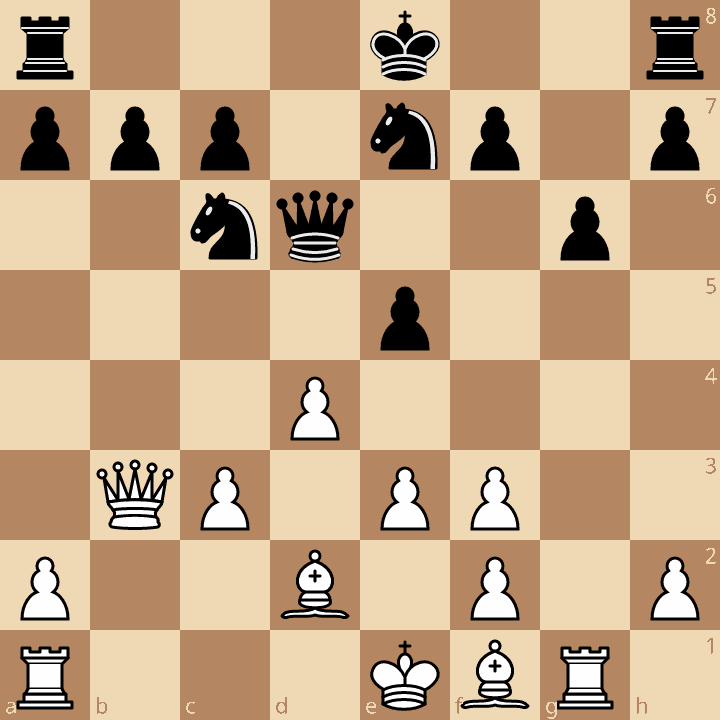
Белые развивают ферзя на b3, нацеливаясь на пешку b7 и поле f7. Ферзь стоит активно и создаёт угрозы по диагонали a2-g8. Белые стремятся перехватить инициативу, пока чёрные не завершат развитие и не реализуют структурное преимущество.
Чёрные развивают последнюю лёгкую фигуру, готовясь к рокировке на королевский фланг. Конь идёт на e7, а не на f6, чтобы оставить f-пешку свободной и поддержать Nc6. После ..Nge7 чёрные готовы рокировать и вступить в выгодный миттельшпиль — здоровая структура, хорошо расставленные кони и мишени на сдвоенных пешках белых.
Альтернативные ходы
Ключевые выводы
- 2...Nc6 бросает вызов d4 фигурой, а не пешкой — философия Чигорина
- 3...Bg4 связывает коня и готовит разрушение пешечной структуры белых
- Размен Bxf3 даёт белым сдвоенные f-пешки — неизлечимую слабость
- Прорыв ...e5 — ключевой вызов центру, поддержанный конём c6
- Кони чёрных превосходят слонов белых в закрытых позициях
Теперь сыграй её сам
Пройди каждый ход на настоящей доске, попробуй неверные — и спроси Knighty, почему они не работают.
Итоги
Готовы попрактиковаться?
Заберите урок с собой
Нужен бесплатный аккаунтСо всеми вариантами — открывается в Lichess и ChessBase