
Защита Рагозина
Совместите надёжность ФГД с динамизмом защиты Нимцовича — свяжите коня ходом Bb4 и нанесите удар по центру ходом ...с5.
Попробовать интерактивный урокВведение
Содержание урока
Дебют ферзевой пешки — белые занимают центр пешкой d, которая сразу защищена ферзём. Это ведёт к более стратегическим, закрытым позициям по сравнению с 1. e4. Основные ответы чёрных: - 1. ..d5 — Ферзевый гамбит и Славянские варианты - 1. ..Nf6 — Индийские защиты (Староиндийская, Нимцовича и др.) - 1. ..f5 — Голландская защита
Чёрные уравнивают в центре, переходя к Дебюту ферзевой пешки. Симметричный центр обычно приводит к стратегическому маневрированию, а не к немедленным тактическим схваткам. Самое популярное продолжение белых — 2. c4, Ферзевый гамбит.
Ферзевый гамбит — белые предлагают пешку, чтобы отвлечь пешку d5 чёрных из центра. Это не настоящий гамбит, так как чёрные не могут удержать пешку надолго. Основные варианты чёрных: - 2. ..e6 — Ферзевый гамбит отказанный, надёжный и классический - 2. ..c6 — Славянская защита, поддержка d5 с сохранением свободы слона - 2. ..dxc4 — Ферзевый гамбит принятый, временная уступка центра
Ферзевый гамбит отказанный — чёрные надёжно укрепляют d5. Недостаток тот же, что и во Французской: белопольный слон заперт за пешкой e6. Это одна из самых классических и уважаемых дебютных систем в шахматах.
Белые развивают коня на естественное поле, усиливая давление на d5 и поддерживая будущее продвижение e4. Это самое распространённое продолжение. Теперь чёрным следует развить коня королевского фланга — и важно, что 3. ..Nf6 сохраняет возможность Рагозина (4. ..Bb4 после 4. Nf3).
Альтернативные ходы
Чёрные развивают коня на лучшее поле, контролируя e4 и d5. Это самый естественный ответ, сохраняющий все варианты — включая Рагозина (4. ..Bb4), Ортодоксальный ФГД (4. ..Be7) и Полуславянскую (4. ..c6).
Альтернативные ходы
Белые развивают второго коня, контролируя e5 и d4. Именно этот ход позволяет Рагозина — с конём на f3, а не на g5 или со слоном уже на g5, связка Bb4 чёрных наиболее эффективна. Альтернативы белых ведут к другим системам: - 4. Bg5 — переход к Ортодоксальному ФГД - 4. cxd5 — Разменный вариант - 4. e3 — спокойное развитие
Альтернативные ходы
Защита Рагозина! Чёрные связывают Nc3, предотвращая e4 — та же стратегическая идея, что и в Защите Нимцовича, но с уже продвинутой пешкой d5. Это определяющий ход дебюта. Слон на b4 создаёт немедленное давление: если белые сыграют e4, конь связан; а чёрные угрожают ..Bxc3 для сдвоения белых пешек. Рагозин сочетает надёжность ФГД с динамизмом Защиты Нимцовича.
Альтернативные ходы
Самый агрессивный ответ белых — связка Nf6 и усиление давления на d5. Идея — разменяться на f6 и ослабить структуру королевского фланга чёрных, или сохранить связку для ограничения развития чёрных. Основные альтернативы белых: - 5. Qa4+ — хитрый шах, вынуждающий ..Nc6 - 5. Qb3 — давление на b4 и d5 одновременно - 5. e3 — спокойное развитие, избегая осложнений - 5. cxd5 — Разменный вариант Рагозина
Альтернативные ходы
Чёрные немедленно бросают вызов слону. Это самый принципиальный ответ — вынуждает белых раскрыть намерения. После 6. Bxf6 Qxf6 чёрные получают пару слонов и активное расположение ферзя. Альтернатива 5...O-O тоже играбельна, но ..h6 форсирует благоприятное разрешение связки сразу.
Альтернативные ходы
Белые меняют слона на коня. После ..Qxf6 чёрные получают пару слонов — долгосрочное преимущество. Но белые упрощают позицию и могут сосредоточиться на использовании центральной структуры. Альтернатива 6. Bh4 сохраняет связку, но слон неудобно стоит на h4, и чёрные продолжают ...O-O и ..c5.
Альтернативные ходы
Чёрные забирают ферзём, получая пару слонов. Ферзь на f6 расположен активно — нацелен на пешку d4 и королевский фланг. Чёрные теперь планируют ...O-O и тематический прорыв ..c5.
Белые укрепляют центр ходом e3, поддерживая d4 и открывая диагональ для слона. Это практичный выбор — белые готовят спокойное развитие вместо более острого 7. Qb3. Альтернативы белых: - 7. Qb3 — давление на b4 и d5, самая критическая теоретическая линия - 7. Qa4+ — ещё один агрессивный вариант
Альтернативные ходы
Чёрные рокируют в безопасность перед проведением центрального плана. Король в безопасности, и чёрные готовы к тематическому прорыву ..c5 или ..dxc4 с последующим ..c5. Немедленное 7. ..c5 столь же сильно, но рокировка сначала более гибка.
Альтернативные ходы
Белые ставят ладью на линию «c», предвидя вскрытие этой линии после dxc4 и Bxc4. Это самый точный ход — белые готовят взятие на c4 слоном, пока ладья уже контролирует открытую линию.
Альтернативные ходы
Чёрные забирают пешку c4, вскрывая центр. Это ключевой момент — разменявшись на c4, чёрные готовят ..c5 с большим эффектом, так как центральный дуэт белых (c4+d4) нарушен. Белые возьмут обратно слоном, а чёрные продолжат ..c5 для удара по d4.
Альтернативные ходы
Белые забирают слоном, развиваясь на активную диагональ. Слон на c4 нацелен на поле f7 и поддерживает центр. Белые готовы рокировать и вступить в миттельшпиль.
Тематический пешечный прорыв Рагозина! Чёрные бросают вызов пешке d4, активизируя Bb4 и вскрывая линии для ладей. Это стратегический выигрыш — после размена на d4 чёрные получат активную фигурную игру с парой слонов в открытой позиции. Это ключевой момент всей системы Рагозина.
Альтернативные ходы
Белые рокируют в безопасность перед решением центрального напряжения. С обоими королями в безопасности начинается миттельшпильная борьба — белые будут использовать централизованные фигуры, а чёрные — пару слонов и открытые линии.
Чёрные забирают на d4, вскрывая позицию. В открытых позициях пара слонов становится мощным преимуществом. Слоны чёрных на b4 и c8 найдут активные диагонали, а открытая линия «c» обеспечит активность ладьям.
Альтернативные ходы
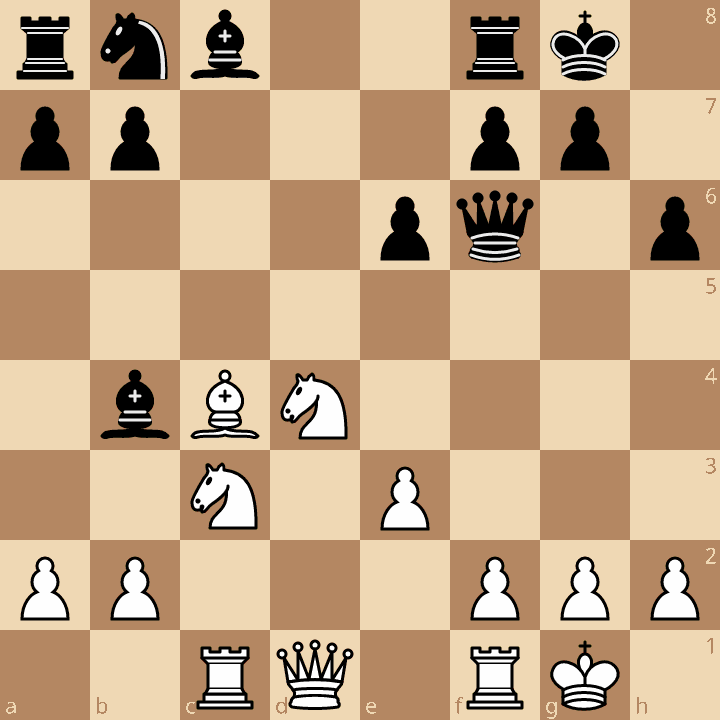
Белые забирают конём, мощно централизуя его на d4. Конь контролирует ключевые поля (b5, c6, e6, f5), и позиция динамически равна. Чёрные имеют пару слонов и будут развивать Bc8 и Nb8, тогда как белые имеют центрального коня и хорошо расположенные фигуры. Типичное продолжение — ..Rd8, затем ..Bd7 и ..Nc6, с богатым стратегическим миттельшпилем впереди.
Ключевые выводы
- 4...Bb4 — определяющий ход Рагозина: связывает Nc3 для предотвращения e4, объединяя идеи ФГД и Защиты Нимцовича
- 5...h6 вынуждает слона разменяться на f6, давая чёрным пару слонов — ключевой долгосрочный актив
- Последовательность прорывов ...dxc4 и затем ...c5 — стратегическое сердце Рагозина: она вскрывает позицию для слонов
- В возникающих позициях пара слонов чёрных компенсирует любые незначительные структурные уступки
- Основные планы белых связаны с централизацией коня на d4 и использованием полуоткрытой линии «c»
Теперь сыграй её сам
Пройди каждый ход на настоящей доске, попробуй неверные — и спроси Knighty, почему они не работают.
Итоги
Готовы попрактиковаться?
Заберите урок с собой
Нужен бесплатный аккаунтСо всеми вариантами — открывается в Lichess и ChessBase